Wanting to gain some real-life production experience at a winery, I approached Ed Madronich, owner of Flat Rock Cellars, to see if there was a possibility of helping out. I had a hankering to do some character-building hard labour. Lucky for me, Ed was for it. Ross Wise, Flat Rock's talented winemaker from New Zealand contacted me and voila, I had my first assignment: bottling.
Through the cellar door
On a warm spring May morning, I somehow managed to get myself out of bed at 5:30am (ugh, so early!). Upon a *slightly* late arrival to the winery, I noticed the mobile truck hard at work bottling the 2011 Nadja's Vineyard Riesling. Fully automated, I watched bottle after bottle get sterilized, filled with wine, sealed, labeled and boxed. Just like that! Many wineries use a mobile bottling service to cut down on costs. This particular truck bottled for Le Clos Jordanne the day before.
Pumping wine from tank
to the mobile bottling truck
I didn't know what to expect seeing how I've never worked in a winery. Images of bottles flying off of the line, smashing all over the place with me crying and then banned from ever coming back rolled through my mind. My job for the day was to help with the bottling of the 2011 cuvee. The wine would be laid down for a duration of time to conduct a second fermentation. The result? Sparkling wine.
An example of gyropalettes
These ones are in Champagne
www.champagne-heucq.com
The crew for the day was small in number but mighty in force. Greg, the assistant winemaker, let me pour a bucket of yeast, sugar and other nutrients into one of the large steel tanks. Crawling up a tall ladder, I poured the the mixture in and hoped for the best! The trick now was to get the wine thoroughly mixed with the additions and quickly into bottle, before the start of any fermentation.
Arranging the bottles just right
Sparkling wine is all about gas (insert your jokes here). To create "traditional method" bubbly (similar to how they do it in Champagne), base wine is placed into strong bottles with some sugar, yeast and then sealed. The yeast consume the sugar and in the process, create gas. That gas can't escape so it remains trapped inside the bottle. Once the yeast die (no more sugar to eat), the wine and sediment interact with one another, creating those complex aromas and flavours of baked bread and apple. No one wants to see dead yeast sediment inside the bottle. That wouldn't be appealing since sparkling wine is all about fine bubbles and clarity. The bottles are slowly turned until they are standing upside down, with the sediment trapped inside the neck of the bottle. This process of turning the bottles, called riddling, used to be done by hand. Now it's mostly done by a machine called a gyropalette. The bottlenecks are then frozen and opened under pressure. The yeast sediment is taken out and the bottles are topped off with more wine and a bit of sugar which determines the overall sweetness.
Images of Laverne & Shirley
came to mind during the day
Skid after skid of empty bottles
to be filled with wine
Even though most of the core bottling procedures were automated, there remained a few tasks that required more manual labour. I began my shift at the end of the line by filling the large metal cages with sealed bottles. These metal cages were to be transferred to a facility to go onto the gyropalettes. I then moved to the beginning of the line, placing empty bottles onto the conveyor belt. I thought those skids would never stop coming! Skid after skid, we had to make sure that bottles were continuously being fed into the machine. The wine was coming - whether a bottle was there or not. I then moved to middle of the line, the point that I coined as "Laverne and Shirley". The now sealed bottles had to be placed into bins and push them down to the guys who were loading up the cages. Bottles just kept coming at me with no end in sight! I was afraid to look away even for a split second in fear that bottles would crash with eachother and fall to the ground. Well, not really but it does add a dramatic flair. The conveyor belt doesn't move that fast but you still have to keep up!
The fruits of our labour!
10,850 bottles
By the end of the afternoon, we had 10,850 bottles of the 2011 cuvee. Amazing! I didn't know what that even looked like so I took photos to catalog the achievement. The base wine was 100% Chardonnay that had been aged in neutral barrels. Most of the wine was from 2011 with a small percentage from 2010. Cuvee in this case means a blend of grapes from different vintages. Now we wait for a few years for the bubbles to form. I can't wait to taste one of these bottles that I had a *very* small part in creating.
Completely exhausted, I finally understood why people say that that bottling isn't fun. It can be grueling hard work but an important part of the entire winemaking process. Unless we're all prepared to show up at a winery with straws for direct slurping (which I totally am), bottling is just one of those unavoidable necessities. My co-workers thought that I had gone completely mad to have taken a vacation day to do more work! Even with the incredible muscle soreness I endured afterwards, I would do it again in a heart beat.
One by one...
For my efforts, I was given a few bottles of the 2011 Nadja's Riesling bottled that morning. I was instructed to let it sit for a few months so the wine could recover from bottle shock. A nice wine to enjoy over the summer.
2011 Nadja's Vineyard
Riesling
It was a pleasure to have been welcomed into the Flat Rock family even for the one day. Thanks Ross! Thanks Ed! Hopefully there will be more opportunities in the future. I'd love to continue with these posts, highlighting the various stages of getting that wine from the vineyard into your glass.
Go visit Flat Rock Cellars and discover how well cool-climate varieties such as Riesling and Pinot Noir thrive here in Ontario: www.flatrockcellars.com
On the evening of May 15th, I was very honoured to be invited to another delicious iYellow Wine Club event: A Zeni Winemaker Dinner featuring winemaker Fausto Zeni. The evening of delightful sensory pleasures was held at Nota Bene, one of my favourites in the city.
Fausto Zeni (left)
I took this opportunity to finally begin my exploration of Italy. I somehow manage to avoid Italy (if you've noticed) on this blog. Not that I don't like it. Quite the opposite. I love everything Italian - the fashion, the food, the language, the people and yes, the wine. However, I do find Italy overwhelming when it comes to the study of its wines. It seems that every inch of the country produces wine with indigenous grape varieties. Coupled with a rich history - there's just a lot to know. My education starts now. Luckily for me, as I started this post, I had the April 28th LCBO Vintages publication nearby and it so happened to feature the wines of the Veneto region. My research into the region and its wines began there.
Costalago IGT
Rosso Veronese 2010
www.lake-garda-revealed.com
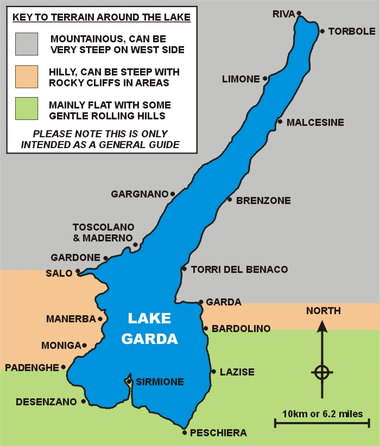
Zeni winery is located in northestern Italy. Sitting on hills, it overlooks the village of Bardolino and Italy's largest lake, Lake Garda. The winery is run by the Zeni family who have been making Veronese Wines for five generations.
Zeni is a wine producer that has been in business since Bartolomeo Zeni began trading wine in the early 1800s in the Bardolino region of Lake Garda in Italy. Today, the Zeni family is still in charge of wine production, with artful attention to details and a sense of tradition using modern equipment and techniques. The company produces a broad range of styles from classical Bardolino, Soave, Valpolicella, Bianco di Custoza, Lugana and Amarone to IGTs, rosé, sparkling and dessert wines. - www.snooth.com
We've all heard the words Valpolicella, Ripasso, Soave, Prosecco and Amarone. These words are associated with the Veneto region of Italy. The Veneto is also the centre of a process called "appassimento" which translates to "grape drying".
The wines of Zeni fall into a number of categories or selections (selezione). These categories group the wines and highlight stylistic features. They are labeled i Classici, Vigne Alte, Marogne, Amaroni, Recioti and Gli Speciali. www.zeni.it/vini.php
Zeni family
Since 1991, the winery has also been home to a wine museum. It covers everything from ancient winemaking to current day viticultural and vinification practices. I took a look at the museum on the website. It really does look interesting. All those old tools remind me of the movie "The Princess Bride". You know the scene I'm talking about. Spending quite a bit of time on the website, I've developed a desire to make a trip to the region. It's for educational purposes...really! Time to purchase an Italian phrasebook.
My "passport" to the
wines of Zeni
Let's review some terminology:
IGT: Indicazione Geografica Tipica. This is the Italian classificationsystem for those wines that don't meet the strict regulations of the DOC (or DOCG which is one more level up). IGT rules allow for more experimentation or blending of international grape varieties. Wines with this classification are often very good.
DOC: Denominazione di Origine Controllata. This is the Italian classificationsystem for quality wines coming from a region. The highest level (one level up) is DOCG. Wines produced under this classification must follow very specific rules and regulations (for example, what grape varieties may be used). It's similar to the AOC system in France or our own VQA system.
Classico: In Italy this means the original zone of production within a DOC. It's the "classic" or historic area of that DOC. Classico vineyards are considered to be of superior quality.
Fausto Zeni (left)
photo by J. Aiello
Valpolicella: A region in the Veneto. This is in Northeast Italy. The grape varieties used in the blends are often Corvina, Rondinella and Molinara.
Ripasso: The Italian word for "re-passed". It is a styleof Valpolicella.Valpolicella wine is re-fermented on unpressed grape skins leftover from the production of Amarone. The fruitiness of Valpolicella wine is combined with the earthy characteristics of Amarone. It adds flavour, body and alcohol to the wine. Think of it as "Amarone on a budget".
Amarone: A red wine made in the Valpolicella "Classico" region. It is made with dried (passito) grapes. The grapes shrivel, becoming raison-like. This technique creates wines that are powerful and concentrated with alcohol levels reaching above 15%. The proper name is Amarone della Valpolicella Classico. Hence, Amarone for short. The Corvina grape is the dominant variety in the blend.
Rosso: Italian word for red.
Fausto Zeni and
@theyummygrape
Ciao! er...thumbs up!
photo by J.Aiello
What an evening. Delicious food coupled with enjoyable wine. Whenever Italians are involved, the fun is usually just moments away! The festivities were brought to us by the letters IYC - the iYellow Wine Club and as usual, I spent the night with old friends and as expected, made new ones. The iYellow Wine Club is a social club based in Toronto. Free to join, it's a wonderful way to socialize and learn about wine.
Here is a great review of the evening by fellow blogger @towineman: towineman.com
Now we go to L'abbinamento ("the match"). This Italian word is represents the pairing of food and wine. I've been practicing saying it with some Italian flair.
This wine was in Vintages for about $15! A good wine for the money. Too bad it's sold out. Well, it's actually good that it's sold out. Good for them, bad for me. This wine is mostly made of the grape Corvina with some Cabernet Sauvignon and Merlot blended.
Full-bodied with hints of black cherry and well-ripened fruit. Traditional skin fermentation followed by 10-15 days maceration. After fermentation the unpressed Amarone skins are added to Valpolicella wine, according to the traditional Valpolicella 'ripasso' technique. (from Zeni tasting notes)
Scored 19 points with Decanter.
"Aromas of tobacco, woodsmoke and mocha. A very elegant palate with red fruit, silky tannins and fine acidity. - Decanter
Raising of the grapes for 4 months followed by traditional skin fermentation. Notes of vanilla and hits of cocoa and spices. (from Zeni product notes)
Course 5
Parmigiano Reggiano
Dried Muscat Grapes Wine: Amarone della Valpolicella DOC Classico Nino Zeni 2000
A real treat for us. Named as a tribute to the father of the current Zeni children who run the family business. It was one of my favourites of the evening.
5 wines of the evening
photo by J.Aiello
I'd like to thank Angela Aiello of iYellow Wine Club for inviting me to this enjoyable yet very informative evening! I think my "fear" of some of the complexities of Italian wines has been greatly diminished. By writing this blog post, I now feel a more confident discussing the wines of Vento. Bring on the dinner parties. Ciao!
Salute!
photo by J. Aiello
For more information about iYellow Wine Club, Toronto's hippest social wine scene: www.iyellowwineclub.com
Every year, I eagerly anticipate the California Wine Fair. Located at the Royal York Hotel in downtown Toronto, the walk-around tasting is a great way to spend a few hours discovering this diverse state. It really has it all - sun, surf, tech, stars and most important - wine.
Wines of Grgich Hills
2008 Cabernet Sauvignon
This year I had the chance to attend the afternoon event for trade and media. I was excited because I would be sharing the same spit buckets as some of the city's most respected sommeliers, writers, agents and buyers. You know, spitting wine is actually an acquired skill - one that I have yet to master as I always somehow manage to get whatever's in the bucket on myself. Bleh.
Alessandro from Profile Wine Group
Pouring J. Lohr wines
The public tasting is always held in the evening. There is a modest entrance fee. I say modest because for the quantity and quality of the wines, it's well worth it. This event gives you the opportunity to taste some wonderful examples of what California has to offer. This year, there were over 100 wineries participating. I'm sure you've seen some of the names before in your local LCBO store:
Profile Wine Group pouring
Signorello wines
J. Lohr Winery
Beringer Vineyards
Roert Mondavi Winery
Francis Ford Coppola Winery
Sterling Vineyards
Grgich Hills Estate
Heitz Wine Cellar
... and luckily for us, the list goes on!
Tara Colaneri of Colaneri Winery
and Ontario Winemaker of the year -
Andrzej Lipinski
An event like this can be quite over-whelming as there are just too many wines to physically try. You can't do it all. Well, you could try but probably wouldn't get very far before being head first in one of those spit buckets. Trust me, I learned the hard way one year. That's all I'll say about that. What I recommend is to do some research on the participating wineries. The list is always posted well before the event. It helps to have a game-plan. Divide and conquer.
Miner Family Winery
2008 Wild Yeast Chardonnay
On the hunt for varieties other than Chardonnay, Merlot and Cabernet Sauvignon, it didn't take long to stumble (maybe not the best term to use for a wine-related post) upon the other darlings of California such as Sauvignon Blanc, Viognier, Pinot Noir, Syrah and Zinfandel. Of course, what I always start with is some sparkling wine. This year, it was the bubbly of Gloria Ferrer. Sparkling wine is a great way to prepare the palate for a taste-a-thon.
Flowers Pinot Noir is
always a hit
Having spent quite a bit of time there for work, I've developed quite the affinity for California. I had the opportunity to visit many wineries in Santa Barbara County, Sonoma County and Napa Valley. Hopefully on my next trip, I'll explore Paso Robles - home of some fine Zinfandel and various Rhone varietals.
Zaca Mesa 2009 Viognier was
a great new discovery
California is a state with approximately 1300 km of coastline. The state's topography and soil variances leads to diverse growing conditions which of course come out in the wines. The cool air from the Pacific ocean acts like a giant air conditioner for vineyards - especially those closer to the coast. Plenty of sunshine to properly ripen the grapes, cool fogs and breezes from the ocean to cool them down - this is why the state can have such a flourishing wine industry.
www.discovercaliforniawines.com
Whenever I visit a particular California wine region, I always find the people to be warm and welcoming. They're excited to share not only the wine, but the passion and knowledge that goes with it. It really is quite infectious. Sure, some regions can be slightly more touristy than others but I can guarantee that you'll always have an enjoyable visit.
Dierberg Family of Wines
California is usually at the forefront of research and innovation. Did you know that the state actually grows 100 different grape varieties? Experimentation with winemaking techniques, technology along with flexibility in creating unconventional blends is like none other in the world.
The wines of Peju
The growers and winemakers are also leading the way for sustainable winegrowing practices. That could be a whole other article: Sustainable, Biodynamic and Organic Farming. For brevity's sake, let's just say that they're trying to create products that have the least amount of environmental impact right from practices in the vineyard itself to those inside the winery. Sustainability - from grape to bottle. Just remember, sustainable does not equal organic.
Packed with eager tasters
For more information on sustainable winegrowing in California:
I urge you to check out the California Wine Fair when it's back in town next year. In one evening, you can discover what the Golden State has to offer. You can, in the meantime, begin your research by picking up some California wine on your next visit to the LCBO. Coincidentally, one of themes for the current Vintages release is "California Legends".